Heating Guide · Monterey Park, CA
Carbon Monoxide Safety and Your Gas Furnace
The one furnace topic that is not about comfort. How CO forms, where alarms belong, the symptoms to respect, and the protocol when one sounds. Written for Monterey Park homes — the furnaces, housing, and winters on your street.
Where the carbon monoxide comes from
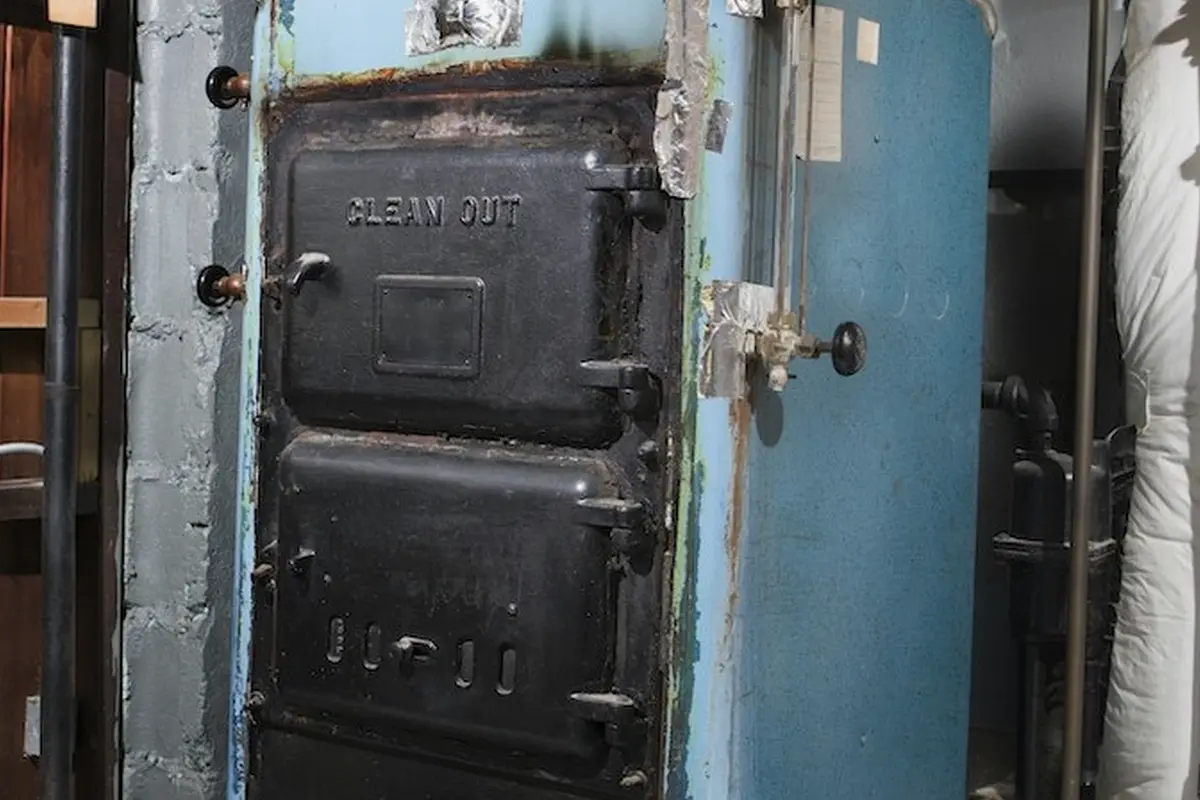
Any fuel burned with insufficient oxygen or in damaged equipment makes carbon monoxide. In a healthy gas furnace, combustion is complete and the exhaust — CO included in trace amounts — travels up the flue and out of the house. The hazard scenarios are specific: a cracked heat exchanger breaching exhaust into the airstream, a blocked or separated flue spilling exhaust indoors, burners so dirty that combustion degrades, or a furnace starved of combustion air in a sealed-tight closet. Every one of those is a maintenance or condition story, which is why CO safety is mostly a furnace-condition discipline with alarms as the backstop.
Monterey Park's profile raises the baseline attention level: an old housing stock (median build 1957), many furnaces at or past twenty years, wall furnaces burning in living space, and garages that double as storage around furnace installations. None of that makes the city dangerous — it makes the annual check and the alarms genuinely load-bearing here, rather than formalities.
Alarms: placement, lifespan, and the rules that matter
California law requires carbon monoxide alarms in homes with fuel-burning appliances or an attached garage. Placement: on every level, outside each sleeping area, and in bedrooms with a fuel-burning appliance (a wall furnace bedroom, common in Elder Park and Midwick, is the textbook case). Follow the manufacturer's height guidance — CO mixes with air rather than pooling high or low, so alarms work at the heights their instructions specify. Each alarm has a sensor lifespan, typically seven to ten years, printed on the unit; an expired alarm is a decoration, and the end-of-life chirp is not a low battery, it is a replacement order.
Test monthly with the button, replace batteries on the schedule the unit asks for, and never — under any circumstances — respond to a sounding alarm by unplugging it and opening a window to 'see if it happens again.' The alarm is the only instrument in the house that can smell this gas. When it speaks, the protocol below is the whole conversation.

Symptoms: the flu that is not the flu
Low-level CO exposure produces headache, dizziness, fatigue, nausea, and a mental fogginess that households reliably mistake for a winter virus. The distinguishing pattern is logistics, not intensity: symptoms that involve everyone in the house at once (including, often, pets behaving oddly), that track the furnace's running hours, and that ease noticeably when the household leaves the house. A 'flu' that lifts at the office and returns by bedtime in heating season deserves the CO hypothesis, especially in a home with an older furnace that has skipped its annual checks.
Higher exposures escalate to confusion, rapid heartbeat, and loss of consciousness — an emergency already in progress. There is no version of 'we all have headaches and the furnace is old' that should be slept on. Fresh air first, 911 from outside, and the furnace stays off until professionals clear both the house and the appliance.
- CO is made by damaged, dirty, or badly vented combustion
- Alarms: every level + outside sleeping areas (CA law)
- Alarms expire in 7–10 years — check the date, not just the battery
- Whole-house 'flu' that lifts outdoors = suspect CO
- Alarm sounds: everyone out, 911 from outside
- Annual combustion + CO measurement is the prevention
The protocol, and the furnace habits that prevent it
When an alarm sounds or symptoms strike: everyone out, pets too, no stopping for belongings and no flipping switches; 911 or SoCalGas from outside or a neighbor's phone; do not re-enter until responders clear the home. Afterward, the furnace is inspected — exchanger, venting, combustion numbers — before it runs again, which is the Heat Exchanger Repair and Gas Furnace Repair work described on those pages. A home that has had one CO event gets its alarms audited in the same week: count, placement, dates.
Prevention is unglamorous and nearly total: the annual Furnace Maintenance & Tune-Up with combustion and CO measurement, venting kept intact and inspected, the furnace area never sealed or storage-choked, alarms present and in date, and symptoms respected. Start from the affordable furnace help in Monterey Park, CA page or call (626) 555-0147 to put the furnace half of that system on the calendar — in a city of older furnaces, that single habit is the difference between CO as a topic and CO as an event.
Common questions
Frequently Asked Questions
Can I smell carbon monoxide from my furnace?
No. Carbon monoxide is completely odorless and colorless — that is its defining danger. What people smell in furnace problems is other things: burning dust, overheated electrical parts, or the odorant added to natural gas (rotten eggs), which signals a gas leak, a different emergency with the same first move — out of the house. Your only CO senses are the alarm and the furnace's measured combustion numbers at its annual service.
Where exactly should CO alarms go in a Monterey Park home?
On every level of the home, outside each group of bedrooms, and inside any bedroom that contains a fuel-burning appliance such as a wall furnace. Follow the alarm manufacturer's mounting instructions for height. In the multigenerational homes common across Barnes Park and Ramona Acres, count sleeping areas generously — a converted garage or a grandparent's den that is slept in counts as sleeping area for placement purposes.
My CO alarm chirps occasionally. Is that an alarm event?
A chirp pattern is usually a status signal — low battery or end of sensor life — while a true alarm is a loud, patterned, unmistakable sounding (typically four beeps, pause, repeat). Your alarm's label decodes its patterns; look it up once, now, not at 3 a.m. But never assume: if you cannot immediately confirm a chirp is a battery signal, or anyone in the house has symptoms, treat it as an event and follow the protocol.
Does an annual tune-up really check carbon monoxide?
A proper one does: the provider measures CO in the exhaust and checks ambient readings around the unit and registers, alongside combustion quality, venting draft, and exchanger condition. Ask for the numbers when you book — a provider who measures will happily tell you the readings; a 'tune-up' that is only a filter and a wipe-down will not have numbers to give. That distinction is spelled out at Furnace Maintenance & Tune-Up.
How this service works
A referral service — honest by design
This website is a referral and lead-generation service, not a heating contractor. When you call, we connect you with independent local heating providers serving Monterey Park who perform the diagnosis, quote, and repair themselves.
Ask the provider who visits your home for their license, insurance, and written quote before any work begins — reputable local pros expect those questions. Learn more about how this service works.
No heat? Cold house?
Get a Local Furnace Pro on the Phone
Call now and describe the problem — you'll be connected with an independent Monterey Park provider who can help today.
(626) 555-0147 Call NowProudly Serving Monterey Park, CA
Serving Monterey Park, CA 91754