Heating Guide · Monterey Park, CA
Why Is My Furnace Not Turning On?
The thermostat calls, the house stays cold. Work through the safe checks first — then learn which silence means which failed part. Written for Monterey Park homes — the furnaces, housing, and winters on your street.
Start with the four checks that are actually yours
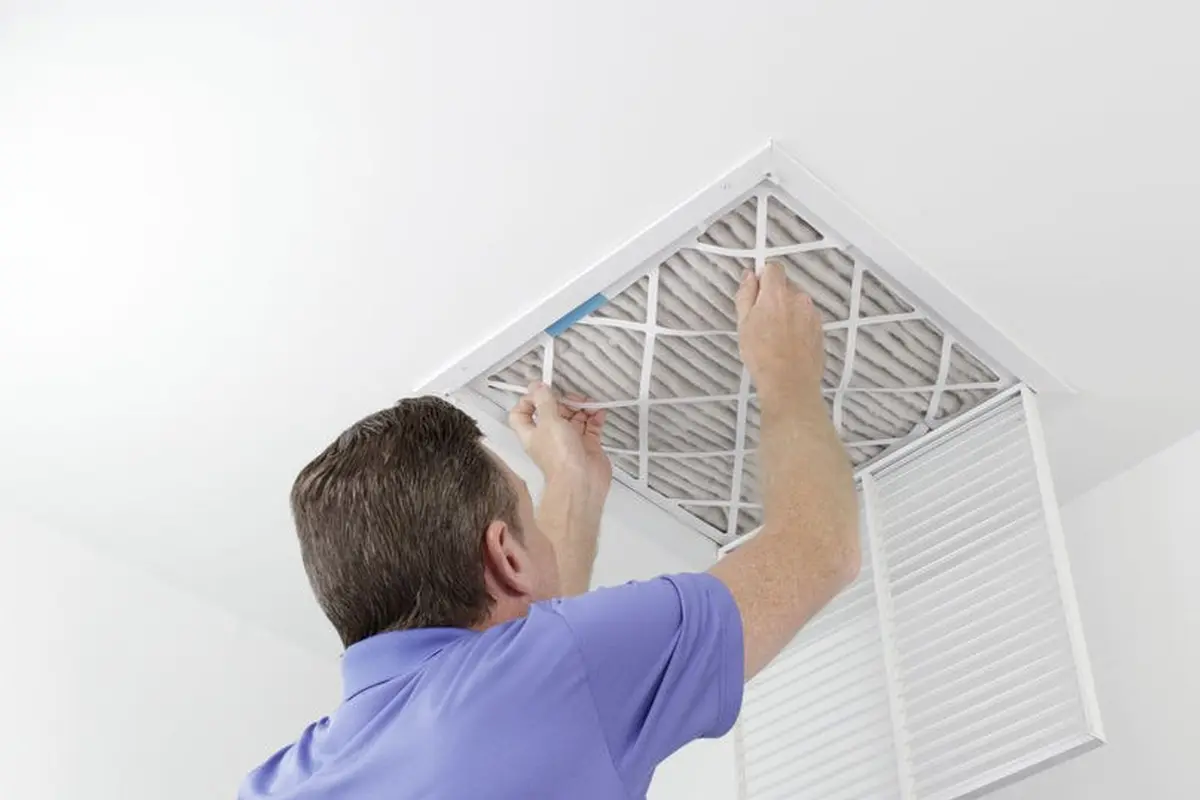
Work in this order, because each step is free and each rules out a category. First, the thermostat: set to Heat, set five degrees above the room temperature, and if it has batteries, replace them — a dying battery is the most common 'dead furnace' in Monterey Park every November. Second, the furnace power switch: it looks like a light switch, usually on or near the unit, and it gets bumped off during garage cleanouts and closet rummaging all summer. Third, the breaker: find the furnace circuit and reset it once — once only. Fourth, the filter: a filter clogged solid can trip the limit switch and shut the system down; pull it out and try again with it removed briefly.
If the furnace starts on any of those, you have found your problem and learned something worth writing on the furnace with a marker: which check it was. If it starts and then dies within minutes, that is not victory — it is the limit or flame-sense pattern described below, and it needs a provider before it becomes a habit.
Read the silence: what the furnace's behavior is telling you
A furnace that does absolutely nothing — no hum, no click, no fan — has a power or call problem: thermostat, wiring, breaker, furnace switch, or a blown low-voltage fuse on the control board. A furnace that hums and clicks but never lights has begun its ignition sequence and failed inside it: igniter, pilot, or gas delivery. A furnace that lights and dies in ten seconds is proving flame and then losing the proof — the flame sensor pattern. A furnace that runs its blower with cold air and never tries to light is usually stuck after a lockout from repeated failed attempts.
That behavior report is genuinely valuable. When you call (626) 555-0147, 'it clicks three times and then the fan blows cold' sends the provider down a different path than 'total silence.' Monterey Park providers hear all four patterns every cold week of the year; the one-minute version of the ignition sequence on the Furnace Igniter Replacement page will help you describe yours precisely.

The ignition failures behind most no-starts
Once power and call are proven, the no-start leaderboard in the San Gabriel Valley is remarkably stable. Hot-surface igniters crack and stop glowing — the single most common cause, detailed at Gas Furnace Repair. Flame sensors coat with oxide over the summer and stop proving flame. Pressure switches refuse to close because the inducer is weak or the vent is blocked by a summer's worth of debris or a nest. Control boards fail at their relays. Each has a test; none should be diagnosed by replacing parts in order of price.
Standing-pilot furnaces and wall furnaces write a different version of the same story: the pilot is out, and the thermocouple can no longer be trusted to hold the valve open. The Wall Furnace Repair page covers that pattern for the wall units so common in older Monterey Park homes. In both worlds, the rule is identical — one careful relight attempt by the book is homeowner work; repeated failures are a service call.
- Thermostat on Heat, +5 degrees, fresh batteries
- Furnace power switch on (it looks like a light switch)
- Breaker reset once — never repeatedly
- Filter pulled and inspected; replace if clogged
- Note the behavior: silence, clicking, brief flame, or cold fan
- One pilot relight attempt maximum, by the book
When a no-start is not a repair but a warning
Sometimes the furnace will not start because it is protecting the house. A limit switch that keeps tripping is reporting overheating — from a clogged filter, a failing blower, or blocked returns — and defeating it trades a repair for a cracked heat exchanger. A rollout switch that has opened is reporting flame escaping its chamber. A pressure switch that will not close may be reporting a vent that genuinely cannot clear exhaust. In all three cases the furnace's refusal is the safety system working, and the correct response is the diagnosis behind the refusal, covered for airflow at Furnace Blower Motor Repair and for exchangers at Heat Exchanger Repair.
And one no-start deserves its own sentence: if the furnace stopped alongside any smell of gas or a carbon monoxide alarm, the checklist on this page does not apply — leave the house and make the emergency calls described on the Emergency Furnace Repair page first.
Common questions
Frequently Asked Questions
Why did my furnace work in March and fail in November?
Because the failure happened during its last runs or quietly over the summer, and November's first call for heat is the first test since. Igniters crack on their final cycles, flame sensors oxidize while idle, and capacitors weaken in summer heat. Monterey Park's long heating off-season hides failures better than any climate in America — which is the entire argument for the October Furnace Maintenance & Tune-Up.
The furnace clicks but never lights. What is broken?
Most often the hot-surface igniter: the click is the board starting the sequence, and no glow means no ignition. It can also be a pressure switch that never proved venting or a gas valve that never opened — which is why the provider measures igniter voltage before replacing anything. The full part-by-part picture is at Furnace Igniter Replacement.
Is it safe to keep resetting the furnace to try again?
No. After a few failed attempts most furnaces lock out for an hour or more by design. Repeated manual resets stress the control board and, worse, mask the pattern — a furnace that needs resetting every morning is reporting an intermittent fault (often a flame sensor or a marginal igniter) that will become a complete failure on the coldest night available. Get it diagnosed while it still sometimes works; intermittent faults are cheaper to catch live.
My thermostat screen is blank and the furnace is dead. Related?
Very likely — a blank screen usually means the thermostat lost power, and the same 24-volt supply feeds the furnace's controls. Causes range from dead batteries to a tripped furnace breaker to a blown fuse on the control board, sometimes caused by a short in the thermostat wire itself. The Thermostat Repair & Replacement page sorts the stat-side causes from the furnace-side ones.
How this service works
A referral service — honest by design
This website is a referral and lead-generation service, not a heating contractor. When you call, we connect you with independent local heating providers serving Monterey Park who perform the diagnosis, quote, and repair themselves.
Ask the provider who visits your home for their license, insurance, and written quote before any work begins — reputable local pros expect those questions. Learn more about how this service works.
No heat? Cold house?
Get a Local Furnace Pro on the Phone
Call now and describe the problem — you'll be connected with an independent Monterey Park provider who can help today.
(626) 555-0147 Call NowProudly Serving Monterey Park, CA
Serving Monterey Park, CA 91754