Burner, igniter, gas valve, and venting problems on natural gas furnaces — diagnosed safely and repaired to code in Monterey Park homes. Call (626) 555-0147 to connect with a local provider.
24/7 emergency phone lineLocal Monterey Park providersWritten quote before workSe habla español
Gas furnace repair in Monterey Park, CA covers the burners, ignition, gas valve, and venting that turn natural gas into safe, even heat. If your gas furnace will not light, lights and dies, or heats unevenly, call (626) 555-0147. A local provider diagnoses the combustion side of the system safely — gas work is never a DIY job.
What Gas Furnace Repair Covers
Natural gas is how most Monterey Park homes heat. SoCalGas serves the San Gabriel Valley, and the typical local setup is a gas furnace in a garage, closet, or attic paired with ductwork that also serves air conditioning in summer. When that furnace falters, the problem is usually on one of two sides: the combustion side (burners, igniter, gas valve, venting) or the air side (blower and ducts). This page is about the combustion side — the parts that make fire safely, on demand, all winter.
Gas furnace repair is skilled work for a simple reason: the same system that warms the house handles raw fuel gas, a flame, and exhaust that contains carbon monoxide. California homes feel the age factor, too. Monterey Park's median home was built in 1957, and while furnaces themselves get replaced every couple of decades, many local units are mid-life or older atmospheric and induced-draft models with standing pilots, aging gas valves, and burners that have not been cleaned in years.
Burner cleaning and flame adjustment
Igniter, pilot, and flame sensor service
Gas valve testing and replacement
Inducer motor and venting checks
Combustion and carbon monoxide testing
Serving Monterey Park, CA 91754 and 91755
How the Problem Starts — and How It's Fixed
A modern gas furnace lights in a strict sequence: the inducer motor clears the vent, the igniter glows or the pilot is proven, the gas valve opens, burners light, a flame sensor confirms fire within seconds, and only then does the blower move warm air into the ducts. A failure at any step stops the cycle — which is actually good news for diagnosis, because the step where the sequence halts points straight at the failed part. Igniters crack, flame sensors coat with oxide, burners clog with dust and rust, and gas valves stick after months of summer inactivity.
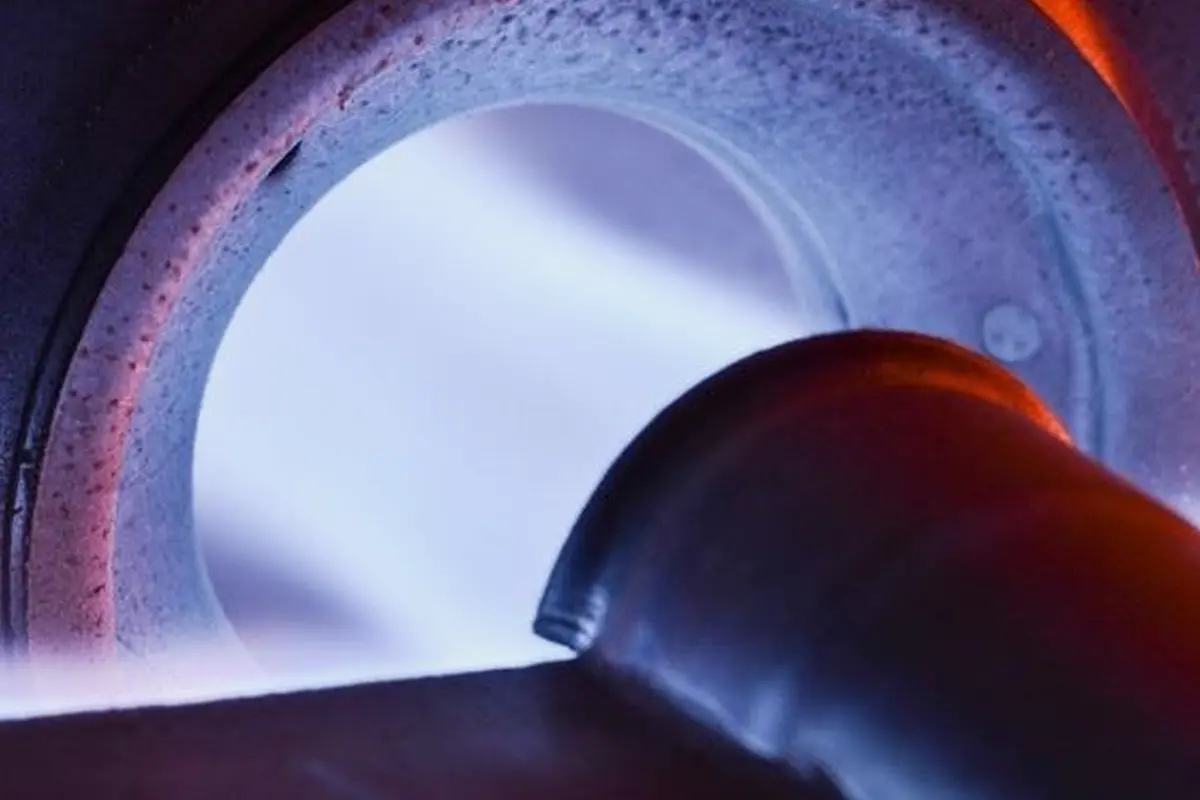
Symptoms map to that sequence. Clicking with no ignition usually means the igniter or pilot assembly. A furnace that lights, runs for ten seconds, and dies is the classic flame sensor signature. Rumbling or a small 'whoomp' at startup points to dirty burners delaying ignition. Yellow, lazy flames instead of crisp blue ones mean the burners need cleaning and the combustion air check matters. A provider tests each stage with a meter and a manometer rather than guessing, then cleans or replaces the failed component and verifies flame quality and venting before leaving.
Signs You Need Gas Furnace Repair
Call a gas furnace provider when the furnace will not light at all, lights and shuts down repeatedly, shows yellow or rolling flames, produces soot around the cabinet, or leaves a faint gas smell near the unit after a cycle. Call immediately — and leave the house first — for a strong gas smell. Homeowners in Monterey Highlands with larger two-story homes should also call when one floor heats and the other does not after ruling out closed vents, since imbalance plus an aging furnace often traces back to declining burner output or blower problems covered on the Furnace Blower Motor Repair page.
Sign
Likely Cause
Urgency
Furnace clicks but never lights
Failed hot-surface igniter or pilot assembly
Same day
Burners light, then die in seconds
Oxide-coated flame sensor
Same day
Yellow or wavy orange flames
Dirty burners or poor combustion air
Same day — do not ignore
Rumbling / small boom at startup
Delayed ignition from clogged burner ports
Urgent — switch off until checked
Soot around the furnace cabinet
Incomplete combustion or venting problem
Urgent
Heats, but gas bill jumped
Burner or airflow efficiency loss
Schedule this week
How the Work Gets Done
01
02
03
04
Gas Furnace Repair in Monterey Park: The Local Picture
Gas heating in Monterey Park has a local wrinkle: the long, warm off-season. Furnaces here may not fire for six or seven months, so the first cold night in Garvey Ranch or Downtown Monterey Park is a stress test that clogged burners and tired igniters often fail. Condos and apartments along the Atlantic Boulevard corridor add another pattern — compact closet furnaces with tight combustion-air space that need their venting checked whenever work is done. Whatever the housing type, gas repairs here end the same way: flame verified blue and steady, venting drafting correctly, and a carbon monoxide check before the provider leaves. The main furnace repair in Monterey Park page explains how the referral connection works.
What It Costs — and What Moves the Price
The cost of gas furnace repair in Monterey Park turns on which combustion part failed. Cleaning burners and a flame sensor is maintenance-level work; an igniter is a modest part; a gas valve, inducer motor, or control board costs more in both parts and labor. Age matters too — parts for older atmospheric furnaces are sometimes simpler and cheaper, while sealed high-efficiency units need model-specific components. You should always receive the diagnosis and a firm quote before parts are replaced, and if the furnace also needs a heat exchanger, the provider should walk you through the repair-versus-replace decision rather than selling you the smaller job by default.
Safety, Prevention, and What to Do Next
Two safety topics belong on every gas furnace page. First, carbon monoxide: a cracked heat exchanger or blocked flue can let exhaust into the airstream, which is why CO detectors on every level — California law requires them — need working batteries and why the cracked-heat-exchanger guide and the Carbon Monoxide Safety and Your Gas Furnace article exist. Second, gas itself: homeowners should never adjust a gas valve, regulator, or supply line. Cleaning a flame sensor is shown in a hundred videos, but on an older Monterey Park furnace the safer habit is an annual Furnace Maintenance & Tune-Up where combustion is cleaned and tested with instruments, not guesswork.
Stop and call if:
You smell gas or rotten eggs, your CO alarm sounds, or you see scorch marks around the furnace. Leave the home, call 911 or SoCalGas from outside, then call us at (626) 555-0147 — and mention you need gas furnace repair, so you're routed to the right provider.
Common questions
Frequently Asked Questions
How do I know if my gas furnace flame is healthy?
A healthy gas flame is mostly blue with small, steady cones and minimal yellow tipping. Tall yellow, orange, wavy, or 'rolling' flames mean the burners are dirty or combustion air is restricted, and the furnace should be serviced before it runs a full season that way. You can observe through the sight glass — never open a sealed combustion door to look — and call (626) 555-0147 if the flame looks wrong.
Why does my gas furnace light and then shut off after a few seconds?
That is the classic flame sensor pattern. The sensor proves flame to the control board; when its rod coats with oxide over summers of inactivity, it stops 'seeing' a flame that is actually there, and the board closes the gas valve for safety. Cleaning or replacing the sensor fixes it. The same symptom can come from a weak igniter cycle or grounding issue, which is why the visit includes testing, not just swapping the sensor.
Is it safe to relight a pilot light myself?
On older standing-pilot furnaces, manufacturers print relighting instructions on the unit, and following them exactly — including stopping if you smell gas — is the homeowner-level task. If the pilot will not stay lit after one careful attempt, the thermocouple or gas valve needs a provider; repeatedly relighting a furnace that keeps losing its pilot is how a small part problem gets misread for weeks. Wall furnaces have their own pattern — see Wall Furnace Repair.
What does a gas valve replacement involve?
The provider shuts off gas to the unit, replaces the valve with the model-correct part, leak-tests every disturbed connection, sets manifold gas pressure with a manometer, and verifies the full ignition sequence and flame quality. It is precise, instrument-checked work — one reason gas components are never a DIY category. You will get the quote before the old valve comes out.
How often should a gas furnace be serviced in Monterey Park?
Once a year, ideally in October before the first cold snap. Mild San Gabriel Valley winters still mean nightly furnace runs from November through February, and an annual visit cleans burners, tests the flame sensor and igniter, checks venting, and measures carbon monoxide — the checks that prevent both mid-season failures and safety problems. Book it through the Furnace Maintenance & Tune-Up page.
Can a gas furnace problem raise my SoCalGas bill?
Yes. Dirty burners, a furnace that short-cycles, or one fighting a clogged filter burns more gas for the same warmth, and the increase shows up across the December and January bills. If your usage jumped while the house feels the same or colder, a repair visit that includes combustion and airflow checks usually finds the reason — short cycling has its own guide at Furnace Short Cycling: Why It Keeps Turning On and Off.
How this service works
A referral service — honest by design
This website is a referral and lead-generation service, not a heating contractor. When you call, we connect you with independent local heating providers serving Monterey Park who perform the diagnosis, quote, and repair themselves.
Ask the provider who visits your home for their license, insurance, and written quote before any work begins — reputable local pros expect those questions. Learn more about how this service works.